
WE'VE WORKED ON
both sides
of the table.
Our team has led Indigenous organizations, worked within First Nations administrations and held
roles in public institutions. We've carried responsibility for turning leadership direction into
operational plans, managing programs and projects, developing policy and coordinating work across communities, governments and partners. We bring experience making decisions, delivering the work and answering to the people it affects.
That experience helps us understand what it takes to put advice to work: the responsibilities people carry, the relationships decisions depend on and the limits on time and resources. We bring that understanding into the questions we ask and the recommendations we make.
YOUR PEOPLE
Define what progress means.
Every Nation has its own history, responsibilities and aspirations. Every organization has a purpose
and people it serves.
We take time to understand those foundations, so the work reflects what matters locally. Whether
the assignment involves a community plan, an organizational review or a difficult policy question,
our role is to contribute expertise that helps you make informed choices and carry your direction
forward.
THE PEOPLE
People behind
the work.
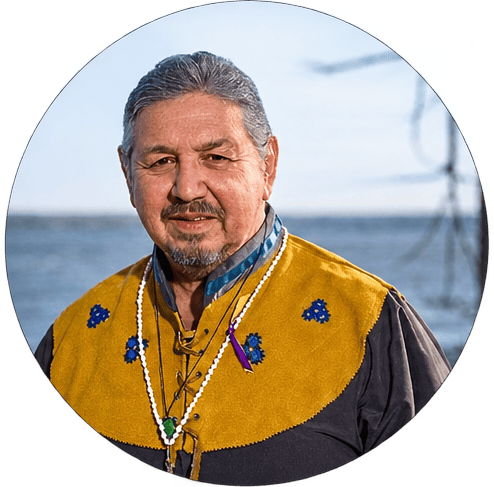
Dr. Daniel J. Brant
FOUNDER & PRINCIPAL
Dan helps First Nations leadership work through decisions that connect governance, community priorities and the resources needed to move forward. A Mohawk from Tyendinaga Mohawk Territory, he brings more than four decades of experience in Indigenous leadership, public administration and consulting.
His career has included senior executive roles with the National Indian Brotherhood, Assembly of First Nations, National Aboriginal Capital Corporations Association and Dreamcatcher Charitable Foundation, as well as serving as Chief Administrative Officer for the Mohawks of the Bay of Quinte. That experience spans the demands of community administration and the work of advancing First Nations priorities nationally.
Dan's background in architecture, engineering, public administration and Indigenous leadership helps him connect questions that are often treated separately: what a community wants to achieve, how it governs, what it can build and how it can resource the work. He supports clients in seeing those connections and developing a practical path through them. Dan also serves on the boards of AFOA Canada and the Glenbow Museum, chairs AFOA Canada's Education Committee and serves as Board Chair of Outside Looking In. As an Adjunct Assistant Professor and Matthews Fellow at Queen's University, he teaches graduate courses in management and Indigenous governance.
His work is grounded in family, community and culture, with a commitment to strengthening First Nations' ability to determine and carry forward their own futures.
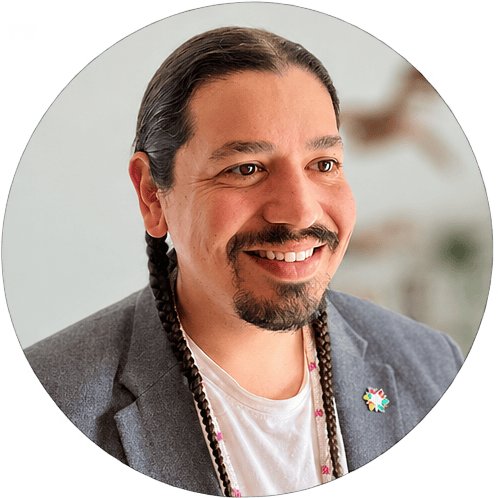
Brad Greyeyes-Brant
SENIOR STRATEGIST
Brad helps leadership and staff untangle complex problems, see how the pieces connect and decide where to focus. He is Mohawk and Cree and brings experience across public policy, Indigenous governance, entrepreneurship and community engagement to help clients turn their people's priorities into a workable direction.
His background includes work with the Institute on Governance and the Canada Revenue Agency's Review and Analysis Division, alongside experience founding and leading an Indigenous-owned business. Working across public institutions, consulting and entrepreneurship has given him an appreciation for both the bigger picture and the everyday demands of making things happen.
Brad's strength is connecting what people are experiencing with the structures, decisions and assumptions behind it. Through research, facilitated conversations and strategic analysis, he helps clients understand why challenges keep recurring, consider different approaches and identify changes that can make progress possible.
He holds a Master of Arts in International Affairs from Carleton University's Norman Paterson School of International Affairs and has completed executive education at Harvard in Leading People and Investing to Build Sustainable Communities.
His work is guided by a commitment to Indigenous self-determination and to making strategy useful to the people responsible for carrying it forward.

Amy Brant
SENIOR MANAGER
Amy helps keep complex work moving and the people involved connected. A member of the Mohawk Nation at Tyendinaga Mohawk Territory, she brings experience in project management, community engagement, research and organizational coordination to assignments involving First
Nations and Indigenous organizations
Nations and Indigenous organizations
She coordinates the details that allow a project to deliver: bringing people into the process, keeping track of commitments, maintaining communication and making sure the team has what it needs to take the next step. For clients, that means a clear point of contact and someone paying attention to how the work fits together.
Amy's experience spans strategic planning, governance, policy and Indigenous language
revitalization. She works with community members, leadership, staff and partner organizations to support participation and keep their contributions connected to the purpose of the assignment.
She holds a Diploma in Justice Studies from Loyalist College, with paralegal training, and a Bachelor of Arts in Sociology and Indigenous Studies from Queen's University. Her work is grounded in her connection to community and a commitment to Indigenous rights, priorities and self-determination.
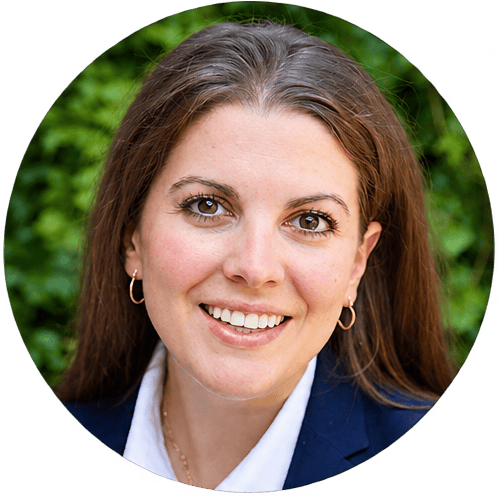
Catherine Irwin-Gibson
SENIOR ASSOCIATE
Catherine describes herself as a "recovering lawyer." She now brings her legal training and more than fifteen years of experience with Indigenous governments and organizations to decisions where governance, policy, funding and community priorities intersect. She helps leadership understand their options and translate complex issues into practical next steps.
Her background includes serving as Interim Executive Director of the First Peoples Justice Centre of Montreal and Associate Director of Strategic Opportunities with the First Nations Financial Management Board. Those roles combined organizational leadership with work on Indigenous governance, fiscal relations and economic development.
Catherine looks beyond the immediate problem to understand the conditions producing it. Through research, policy analysis and facilitated discussions, she helps clients identify what needs to change, assess the consequences of different approaches and connect recommendations to their longer-term goals.
She holds a Bachelor of Arts in Political Science from McGill University, a Bachelor of Laws from Université Laval and a Master of Public Administration focused on Indigenous Governance from Queen's University. She also holds the Investment Foundations Certificate from the CFA Institute.
Her work is guided by a commitment to Indigenous self-determination and advice that respects community priorities while addressing the legal, organizational and financial realities of carrying them forward.
START A CONVERSATION
What are you
working through?
You might have a clear project in mind, a challenge that keeps coming back or a set of priorities
you're struggling to untangle. You don't need a finished brief to start a conversation.
Tell us what's happening, what matters to your people and where you could use support. We'll talk
through whether and how we can help
you're struggling to untangle. You don't need a finished brief to start a conversation.
Tell us what's happening, what matters to your people and where you could use support. We'll talk
through whether and how we can help